Species
Pacific or Kumamoto?
The biological kind. A Kumamoto is its own species, not just a small Pacific.
Know your oyster
Learn the species, then ask where it grew. These flavor notes are tendencies, not a promise: water, salinity, season and farming all shape the oyster.
Species
The biological kind. A Kumamoto is its own species, not just a small Pacific.
Growing place
Regional names often tell you where an oyster grew. Many different menu names can be the same species.
Finishing & brand names
A French oyster-finishing designation associated with shallow ponds. Not a seventh species, and not another name for a European Flat.
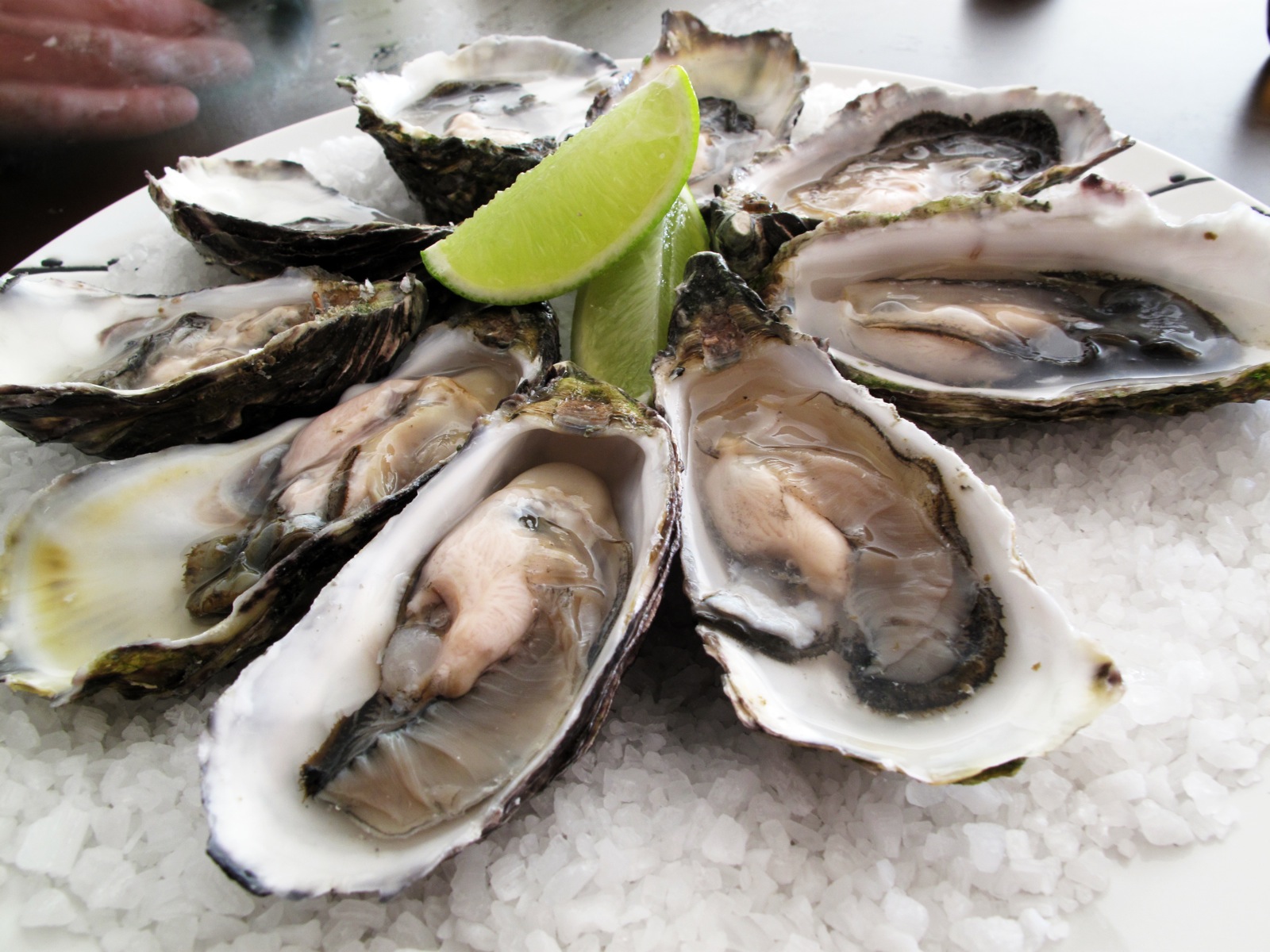
01 · Pacific
Magallana gigas (also called Crassostrea gigas)
Native to Asia's Pacific coast; farmed widely in North America, Europe and beyond.
Often sweet and creamy, with cucumber or melon-like notes. Salinity depends on the growing water.
Often a ruffled, deeply cupped shell. Size and shape vary with farming method.
A good first cooked oyster: ask for a smaller Pacific with a mild, sweet profile.
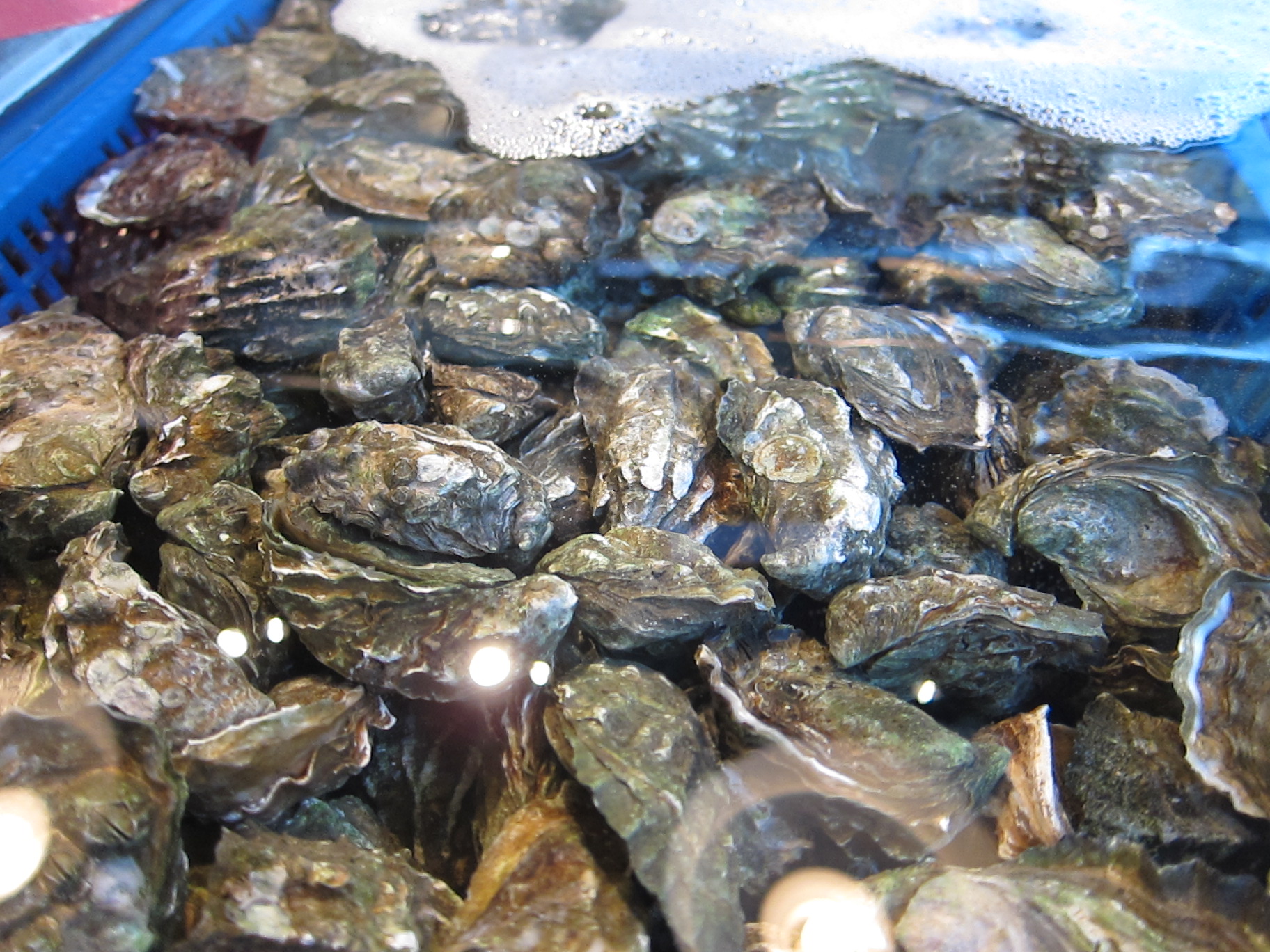
02 · Kumamoto
Magallana sikamea (also called Crassostrea sikamea)
Originates in southwestern Japan; also cultivated on the US Pacific coast.
Usually small, sweet and lightly briny. Tasters often describe melon or a nutty finish.
A small, deep cup. A separate species, not simply a baby Pacific oyster.
A useful starting point if a menu offers it cooked. Ask the server for today's mildest option.
03 · Olympia
Ostrea lurida
Native to the Pacific coast of North America; associated with Pacific Northwest cultivation and restoration.
Tiny but assertive: mineral, metallic and savory notes, sometimes described as mushroom or celery salt.
Very small, rounded shell. Small size does not mean a mild flavor.
Better as a second step if you already enjoy stronger oyster flavors. Ask about availability and a cooked preparation.
04 · Eastern / Atlantic
Crassostrea virginica
Native to North America's Atlantic coast and Gulf of Mexico. Wellfleet and many other regional menu names belong to this species.
Often clean and briny, with savory ocean notes. Some growing areas produce much saltier oysters than others.
Generally a heavier, less frilly shell than a Pacific, but farming and habitat change the shape.
Ask for a medium-briny option, fully cooked. This is also a good species for chowder or baked oyster dishes.
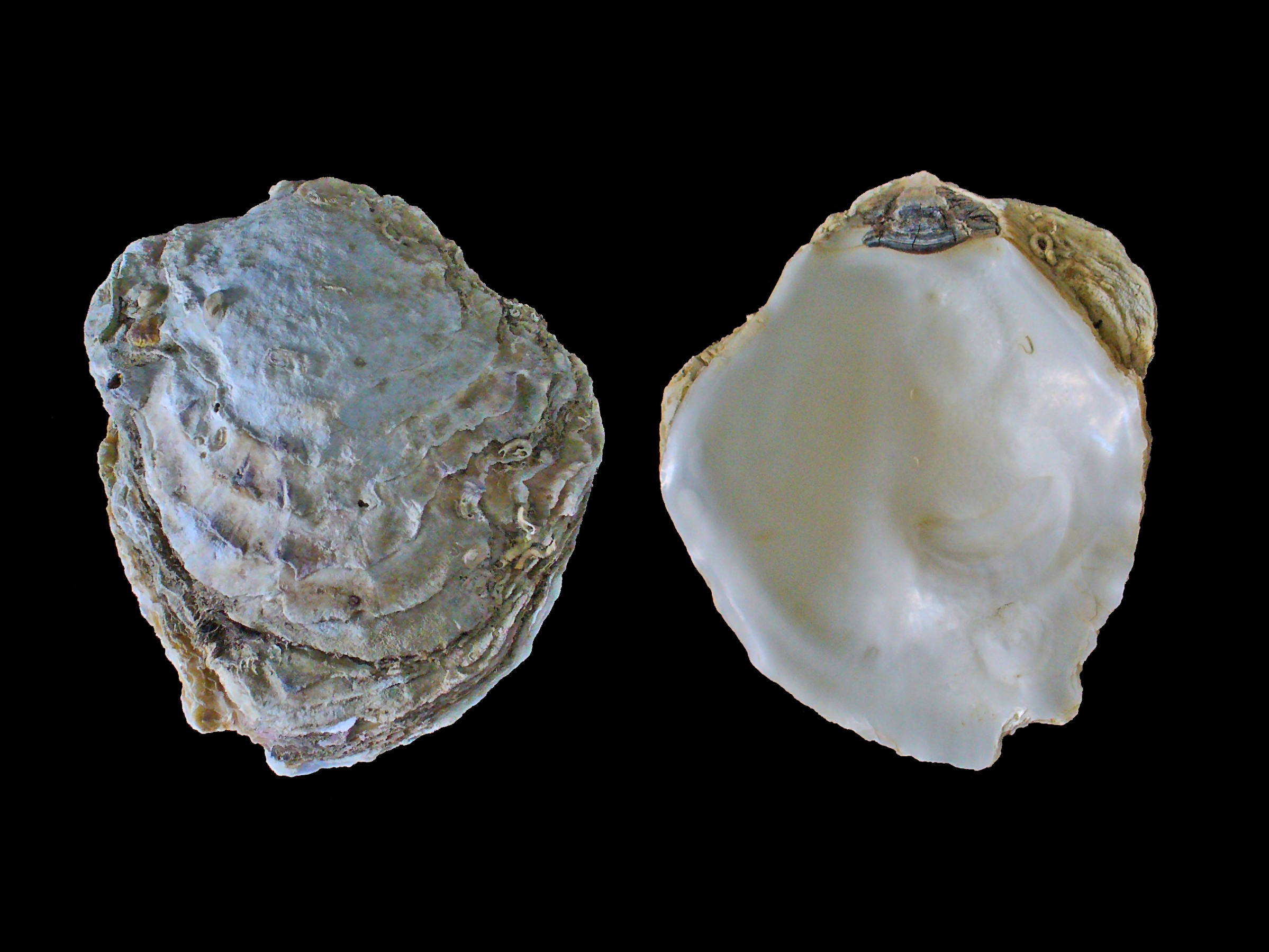
05 · European Flat
Ostrea edulis
Native to Europe, with oysters associated with Brittany, Ireland and other European coasts; also cultivated elsewhere.
Often firm and intense, with pronounced mineral or metallic notes. Not the same experience as a mild Pacific.
Rounder and flatter shell. 'Belon' is associated with Brittany's Belon River, not a precise synonym for every European Flat.
A bold-flavor choice to explore after milder oysters. Ask the grower or server about provenance rather than assuming every flat oyster is a Belon.
06 · Sydney Rock
Saccostrea glomerata
Native to the NSW and southern Queensland coast; a mainstay of oyster farming in New South Wales, Australia.
Often creamy and sweet with a lingering mineral finish. Estuary and season make a noticeable difference.
Typically smaller than a Pacific oyster. Ask the species: a Sydney restaurant can serve more than one kind.
Try a cooked Sydney Rock when visiting Australia, especially if you like a creamy texture and a fuller finish.
Your first order
Source notes: species and origins from Oysterater and NSW Department of Primary Industries; Eastern oyster range cross-checked with NOAA; Fine de Claire finishing with the Marennes Oléron oyster organization; flavor vocabulary and beginner context cross-checked with the Michelin Guide. Fine de Claire source ↗ Copy is original. Scientific genus names for Pacific and Kumamoto oysters may appear as either Magallana or Crassostrea in guides.